


Texas homeowners don’t need to imagine power outages anymore — they’ve lived through them. From summer grid strain to storm-related blackouts, losing power has become more common across DFW. That’s why more homeowners are searching for answers to questions like:
- Is a Powerwall worth it in Texas?
- Will a Powerwall run my house during an outage?
- How long does a Powerwall last?
- Does a Powerwall work with my existing solar system?
A Powerwall isn’t right for every home, but for many Texas homeowners, it’s one of the most practical ways to protect comfort, safety, and energy independence. This blog explains how Powerwall backup works, when it makes sense, and what to consider before installing one.
What a Powerwall Actually Does
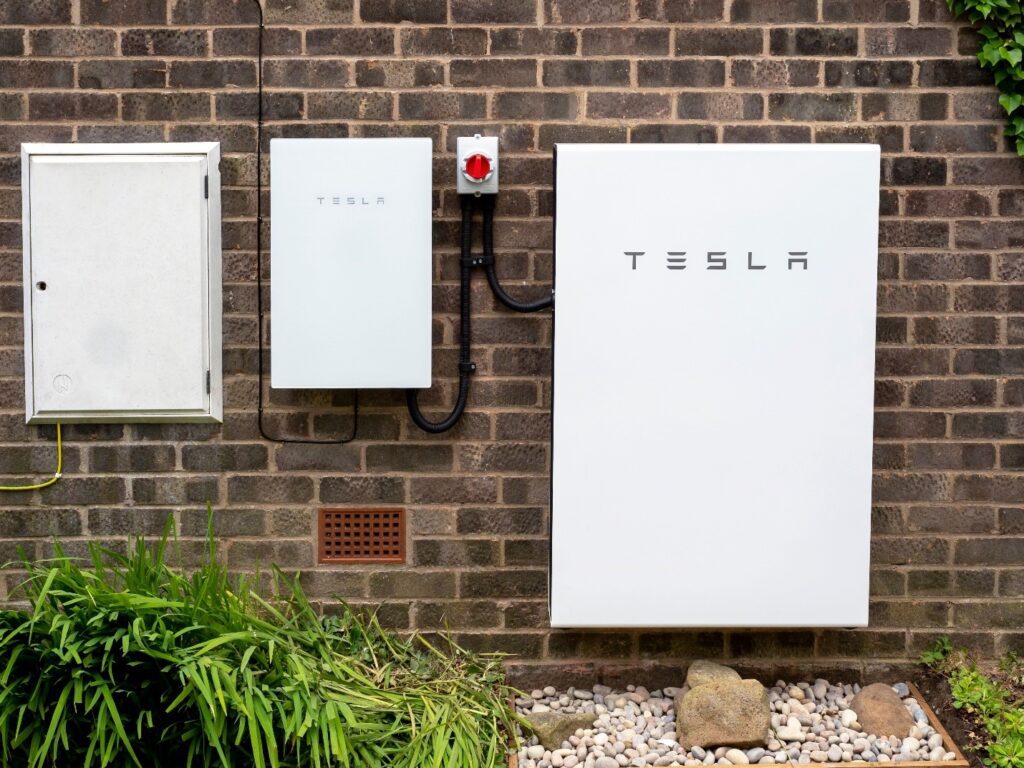
A Powerwall is a home battery that stores energy so your house can keep running when the grid goes down. It works alongside your solar system or, in some cases, with grid power alone.
During normal operation:
- solar panels power your home
- excess energy charges the Powerwall
- remaining energy flows to the grid
During an outage:
- the Powerwall disconnects your home from the grid
- stored energy powers selected circuits
- solar can continue recharging the battery during daylight
This transition happens automatically — usually in seconds.
Why Powerwall Backup Makes Sense in Texas
Texas has a unique combination of grid stress and weather that makes battery backup especially valuable.
1. Summer Grid Strain
High AC demand pushes the grid to its limits. Rolling outages and voltage instability are more common during extreme heat.
2. Storm-Related Outages
Hail, wind, and lightning can knock out power even when homes aren’t directly damaged.
3. Faster Outage Recovery Isn’t Guaranteed
Some neighborhoods regain power quickly. Others wait hours or days.
4. Medical and Work-From-Home Needs
Many households rely on uninterrupted power for health equipment, remote work, or security systems.
A Powerwall gives homeowners control instead of relying entirely on the grid.
What Can a Powerwall Power During an Outage?
What a Powerwall can run depends on how the system is designed. Most homes prioritize essential loads, such as:
- refrigerator and freezer
- lights
- Wi-Fi and routers
- outlets for phones and laptops
- garage door opener
- security systems
- ceiling fans
With proper planning, some homes also include:
- select AC zones
- medical devices
- well pumps
Not everything runs at once — the system is designed to balance comfort and battery life.
How Long Does a Powerwall Last in an Outage?
A single Powerwall typically provides 10–14 hours of backup for essential loads. Runtime depends on:
- how many circuits are backed up
- energy usage during the outage
- whether solar is recharging the battery
- number of Powerwalls installed
Homes with solar often extend backup significantly during daylight hours. Some homeowners install multiple Powerwalls for longer coverage.
Does a Powerwall Work With Existing Solar?
Yes — most existing solar systems can integrate with a Powerwall, but the installation must be done correctly.
Important factors include:
- inverter compatibility
- electrical panel configuration
- load calculations
- code compliance
- monitoring integration
This is why Powerwall installations must be handled by licensed electricians who understand both solar and battery systems.
Powerwall vs. Generator: What’s the Difference?
Many Texas homeowners compare Powerwall backup to traditional generators.
Powerwall advantages:
- silent operation
- no fuel required
- automatic switchover
- indoor-safe
- minimal maintenance
Generator considerations:
- fuel storage
- noise
- regular servicing
- manual startup in some cases
For many homeowners, Powerwall offers a cleaner, more convenient backup solution — especially when paired with solar.
Common Powerwall Misconceptions
“A Powerwall means I’m off-grid”
Not true. Most systems are grid-connected with backup capability.
“One Powerwall runs my entire house forever”
Backup is designed around essential loads, not unlimited usage.
“It works automatically with any solar system”
Compatibility and proper installation matter.
“Powerwalls don’t work during storms”
Powerwalls often perform best during outages caused by storms.
When a Powerwall Is a Smart Investment
A Powerwall is especially worth considering if:
- your area experiences frequent outages
- you rely on power for work or health needs
- you want backup without fuel or noise
- you already have solar and want more control
- you’re planning future energy upgrades
It’s less about fear — and more about preparedness.
Installation Matters More Than the Battery Itself
A Powerwall only performs as well as its installation. Proper setup includes:
- load analysis
- correct breaker configuration
- clean, code-compliant wiring
- safe mounting
- commissioning and monitoring verification
When installed correctly, the system works seamlessly and safely during outages.