


Homeowners know that reliable electricity matters, especially when severe weather interrupts daily routines. Rising electricity costs also encourage households to consider alternatives to traditional grid power. While solar panels offer one option, battery storage gives homeowners greater control over when and how they use electricity.
Is home battery storage worth the investment? The answer depends on your energy needs, electricity rates, and expectations for backup power. Understanding the benefits and limitations of battery systems makes the decision easier.
Home Battery Storage Offers Greater Control Over Electricity Use
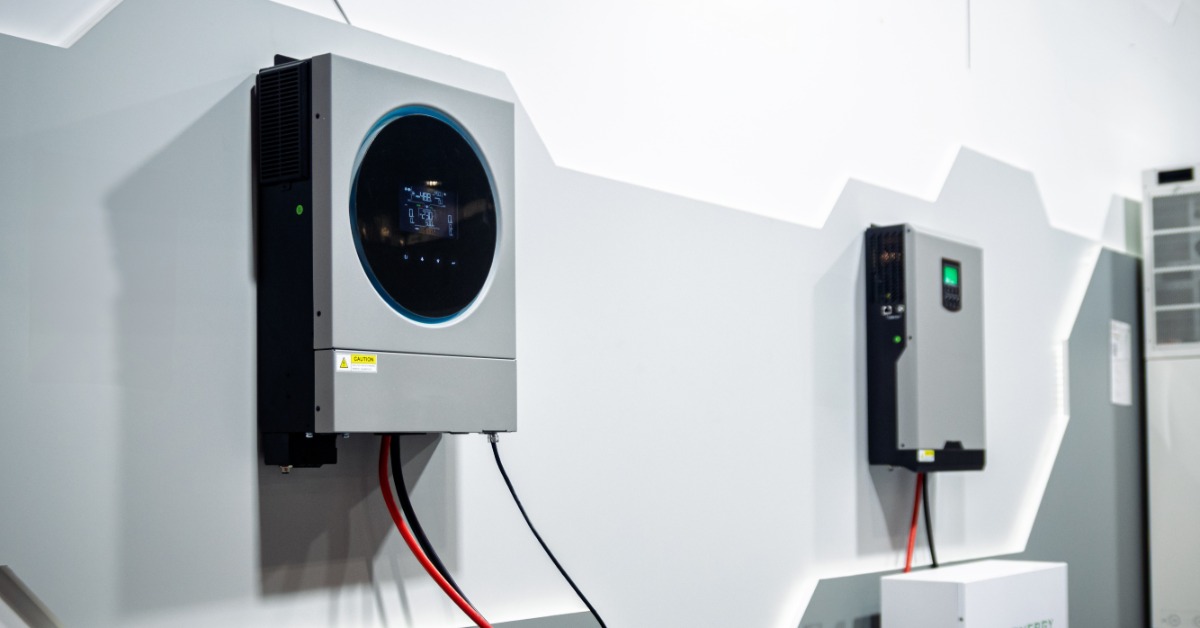
Home battery systems store electricity for later use instead of requiring homeowners to consume available power immediately. Batteries store excess electricity from solar panels or draw power from the grid when the system supports grid charging.
Homeowners can use stored energy when electricity costs more or when solar panels stop producing power after sunset. Compatible systems automatically manage charging and discharging according to household settings, although battery capacity determines how much energy the system stores and uses.
Backup Power Makes Battery Storage Valuable During Outages
Texas homeowners face electrical disruptions from severe thunderstorms, hurricanes, and other weather events. A home battery provides an alternative power source when the utility grid becomes unavailable, allowing households to maintain access to electricity for essential activities.
Unlike traditional generators, battery systems operate without burning fuel at the property and can switch to backup operation automatically with appropriate equipment. Homeowners might prioritize refrigeration or essential medical equipment rather than powering every appliance.
However, battery storage cannot guarantee uninterrupted electricity under every circumstance. Extended outages exhaust stored energy, particularly when household demand remains high or solar panels cannot generate enough electricity to recharge the battery.
Electricity Rates Influence the Financial Value of Battery Storage
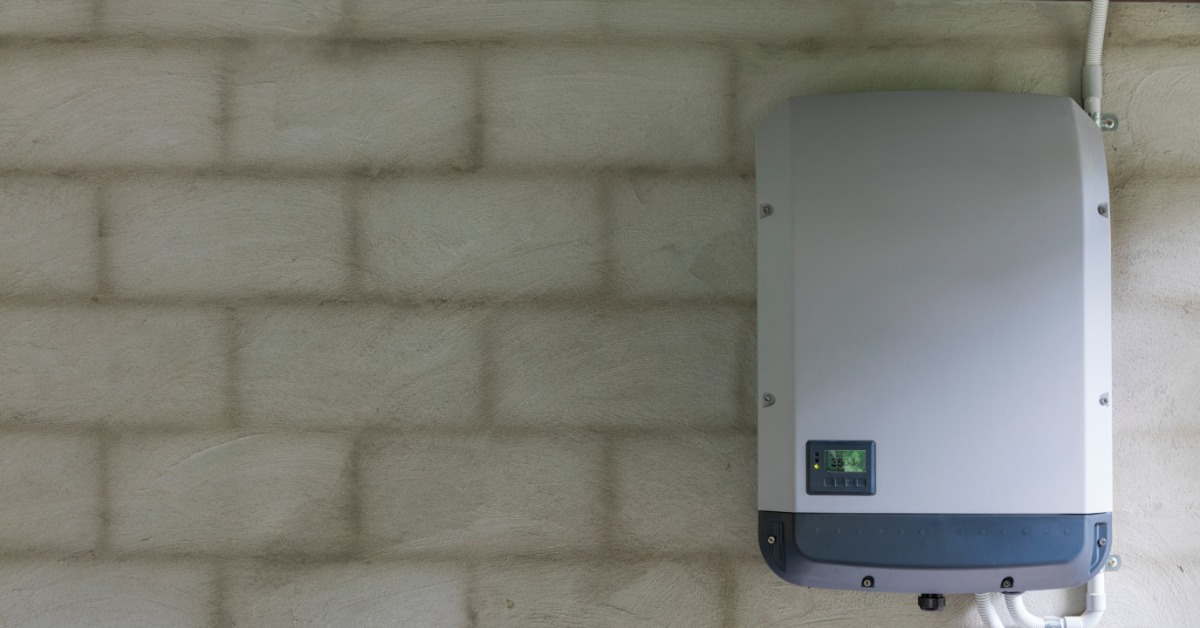
Electricity pricing affects whether battery storage produces meaningful financial benefits. Some Texas electricity plans charge different rates depending on when homeowners consume power, creating opportunities to shift electricity use to less expensive periods.
Under a time-of-use plan, homeowners may charge their batteries when rates decrease and use stored electricity when prices increase. However, charging and discharging consume some energy, which reduces potential savings.
Not every Texas electricity provider offers pricing structures that reward battery use. Homeowners with flat-rate plans may experience fewer financial advantages, making it important to review current electricity contracts before investing in a battery system.
Solar Panel Integration Increases Battery Storage Benefits
Homes with solar panels often generate more electricity than they consume during certain daylight hours. Without battery storage, excess production typically flows back to the grid when the utility arrangement allows exports.
Adding a compatible battery allows homeowners to store some of that electricity for evening consumption, potentially reducing reliance on grid power. The financial advantage depends partly on how much compensation the electricity provider offers for exported solar energy.
Existing equipment also affects installation requirements, as some solar systems need additional components to accommodate batteries. Homeowners planning roofing work should consider how a solar panel detach and reset project might affect installation scheduling. Coordinating these services reduces disruptions while allowing professionals to evaluate system compatibility.
Installation Costs Require a Long-Term Financial Perspective
Battery storage represents a significant home improvement investment, with equipment selection and installation complexity influencing the final cost. Larger batteries store more electricity, but additional capacity does not automatically deliver greater financial value.
Homeowners should consider several factors when comparing battery systems:
- Battery capacity and usable electricity storage
- Power output and supported household appliances
- Installation requirements and electrical upgrades
- Manufacturer warranty and performance coverage
- Maintenance needs and potential replacement expenses
Comparing projected savings against the complete installation cost provides a clearer picture of potential returns. Financing terms also deserve attention because interest charges increase overall expenses and extend the time needed to recover the investment.
Battery Lifespan and Warranty Coverage Affect Long-Term Value
Home batteries gradually lose storage capacity as they age and complete charging cycles. Manufacturers commonly provide warranties that outline coverage periods and minimum retained capacity, making these details important when evaluating equipment.
Texas heat presents another consideration because high temperatures can affect battery performance and longevity. Manufacturer-approved installation locations and proper temperature management support dependable operation.
Professional installation also protects system reliability. Licensed electrical contractors evaluate wiring requirements and follow applicable electrical codes, while accessible local service support makes future maintenance more manageable.
Energy Independence Adds Value Beyond Monthly Savings
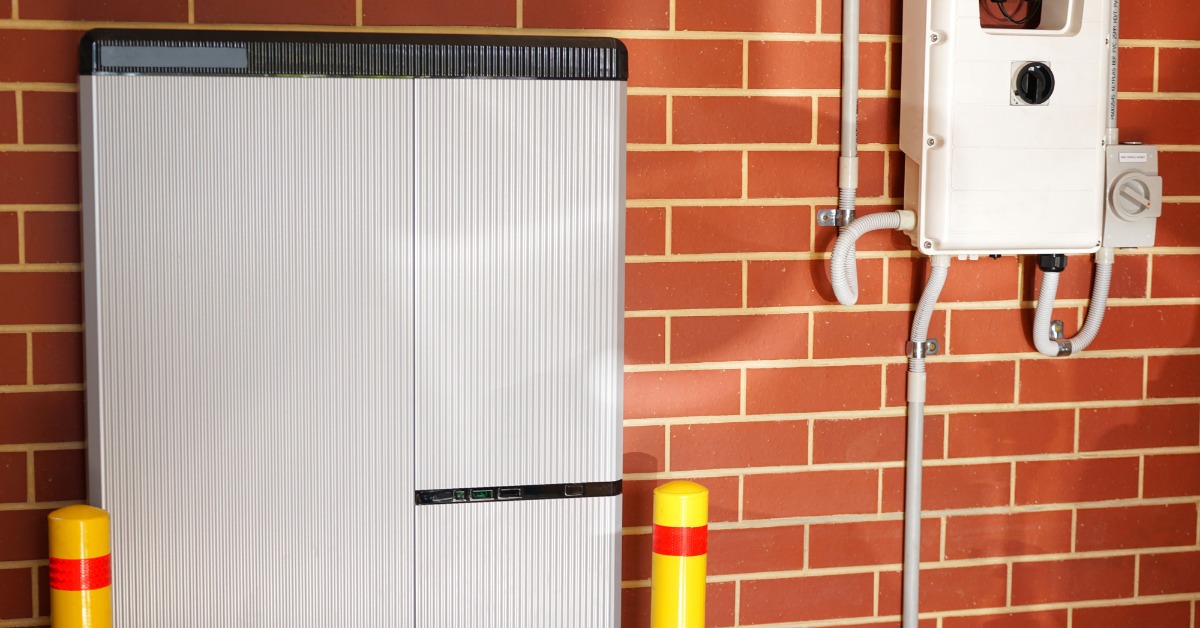
Financial returns matter, but they do not capture every benefit of home battery storage. Some homeowners prioritize maintaining access to electricity during unexpected disruptions over achieving the shortest possible payback period.
A battery can reduce dependence on the grid during certain hours, particularly when paired with solar panels. However, most residential systems still rely on grid electricity at times, and running high-demand appliances can quickly drain available battery capacity.
For households that work remotely or depend on electrically powered medical devices, backup capabilities may carry substantial personal value. These priorities deserve consideration alongside potential electricity savings.
Energy Programs May Improve Battery Storage Economics
Texas electricity markets offer different opportunities depending on the utility service territory and retail electricity provider. Certain plans may reward customers for adjusting when they consume or export electricity.
Some compatible batteries can participate in virtual power plant programs where available. These programs coordinate residential batteries to support grid operations and may offer participating homeowners financial incentives.
Program eligibility varies, and participation may involve specific equipment requirements or operating agreements. Tax incentives also deserve consideration, although homeowners should confirm current eligibility requirements with qualified professionals.
The Right Battery System Depends on Household Priorities
No single battery configuration suits every home. A household seeking emergency backup power needs a different system than one focused on reducing electricity purchases during expensive periods.
Reviewing recent electricity bills and identifying essential appliances provides a useful starting point. Homeowners should also consider existing solar equipment and whether their electrical panels can accommodate battery installation.
Is home battery storage worth the investment? For homeowners who value dependable backup electricity and greater control over energy consumption, the benefits justify the expense.
Explore Home Battery Storage Options
Choosing a battery system starts with understanding what your home needs. At Sunaura Solar, we provide professional solar and battery storage solutions for homeowners throughout Dallas-Fort Worth and other Texas markets. Our team can evaluate your electrical setup and discuss available options, including Tesla Powerwall systems.
Contact Sunaura Solar today to request a free estimate and discuss whether home battery storage makes sense for your property. We’re ready to answer your questions and explore an energy solution that fits your household.



Contact Us


Find Us On

