
Solar panels are designed to handle the sun, storms, and everyday weather — but they are not designed to stay efficient when covered with dirt, pollen, and debris. Homeowners in Texas face an even bigger challenge because our climate produces some of the highest dust, pollen, and pollution levels in the country.
What most homeowners don’t realize is that dirty solar panels do much more than block sunlight.
They also:
- Overheat faster
- Produce lower voltage
- Trigger inverter issues
- Create long-term degradation
- Reduce daily efficiency by 10–30% — and sometimes more
If your electric bill has crept up…
If your system seems weaker this year than last…
Or if your monitoring app shows slow production throughout the day…
Dirty panels may be the cause.
This blog explains why solar panels get dirty so quickly in Texas, how buildup reduces your production, the long-term risks, and what homeowners can do to protect their system.
Why Solar Panels Get Dirtier in Texas Than Other States
Texas is one of the toughest climates for keeping solar panels clean — especially in the DFW area. Here’s why panels accumulate debris faster:
1. Heavy Pollen Seasons
Trees in North Texas release huge amounts of pollen every spring.
Pollen sticks to solar glass and forms a hazy layer that sunlight struggles to penetrate.
2. Dust from Construction and Dry Soil
DFW’s rapid development and dry summers create constant dust.
After a few windy days, homeowners often see:
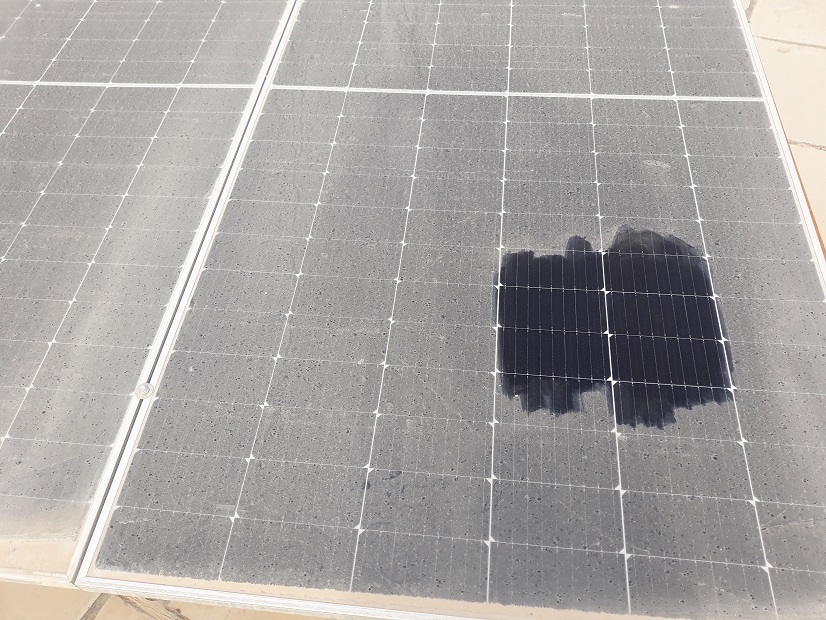
- a yellow haze
- brown dust buildup
- streaks of dirt on the glass
3. Heat and UV Exposure
Texas heat bakes debris onto the surface, making it harder for rain to wash away.
4. High Windstorms
Strong winds throw:
- leaves
- pollen
- granules from roofs
- construction dust
- road dirt
These particles stick to panels and cause hot spots.
5. Low Rainfall or Light Drizzle
Light rain doesn’t clean solar panels — it creates mud streaks and dries into mineral deposits.
This leaves panels dirtier than before the storm.
How Dirt Impacts Your Solar Production
Dirty panels do far more damage than homeowners expect.
1. Reduced Light Transmission (10–30% Loss)
Even a thin film of dust blocks sunlight.
Studies show dirty panels can lose:
- 8% efficiency after a few weeks
- 15–20% efficiency after a few months
- 25–35% efficiency during pollen season
That means you're losing power every single day without knowing it.
2. Higher Panel Temperature (Voltage Loss)
Clean panels stay cooler.
Dirty panels trap heat — and heat dramatically reduces panel voltage.
In Texas, high heat + dirt is the perfect combination for weak production.
Signs this is affecting you:
- strong morning production
- steady drop starting around noon
- poor afternoon performance
- lower monthly output than expected
This is extremely common in DFW.
3. Hot Spots That Damage Solar Cells
When debris blocks sunlight from one portion of a panel, it creates a hot spot.
Hot spots lead to:
- internal cell damage
- faster degradation
- panel failure over time
Dust buildup can cause hot spots just like shading from trees.
4. Inverter and Optimizer Stress
Dirty panels cause electrical imbalance.
Your inverter may respond by:
- derating (throttling power)
- showing voltage errors
- shutting down during peak heat
- cycling repeatedly
Optimizers may:
- overheat
- fail prematurely
- show mismatched voltage
This is why dirty panels often cause issues that look like electrical problems.
5. Increased Electric Bills
Even a small efficiency loss can add $20–$50 or more per month.
Over a year, dirty panels can cost homeowners hundreds of dollars in lost production.
What Causes Panels to Get Dirty the Fastest?
While all systems get dusty, some factors accelerate buildup dramatically.
1. Roof Pitch and Panel Angle
Low-angle panels accumulate debris faster because rainwater doesn’t roll off effectively.
2. Newly Installed Roofs
Architectural shingles shed granules for months after installation.
These granules collect on solar panels and cause micro-scratches.
3. Tree Coverage
Nearby trees drop:
- sap
- pollen
- seeds
- bird debris
Sap is especially hard to remove without professional cleaning.
4. Unsealed Roof Penetrations or Loose Flashing
If roofing debris washes down the roof, it settles directly on the panels.
5. Living Near Highways or Busy Roads
Vehicle pollution sticks to panels like a sticky film.
Why Rain Doesn’t Clean Solar Panels
Many homeowners believe rain keeps their panels clean — but in Texas, rain often makes things worse.
Here’s why:
1. Rain mixes with dust → creates mud
When it dries, it leaves thick streaks.
2. Minerals in hard water stick to panels
Rainwater deposits minerals that reduce light penetration.
3. Light drizzles don’t remove pollen
They just move it around the glass.
4. Wind before storms blows debris onto the roof
Then the storm bakes it onto the panels as the sun returns.
If your panels haven’t been cleaned professionally in over 6–12 months, rain isn't doing enough.
Signs Your Solar Panels Need Cleaning
Here are the most common warning signs homeowners notice:
1. Lower power output on your monitoring app
Production curves flatten or dip.
2. Morning production looks normal but afternoon drops
A dirty surface heats faster and loses voltage.
3. Visible haze, dust, or yellow film
Pollen seasons commonly create this issue.
4. Streaks or dirty drip lines across the glass
Often seen after light rain or sprinklers.
5. Higher electric bills
Even with sunny weather.
6. A “cloudy” appearance to the panel surface
Often caused by dust or roof granules.
7. One string underperforming
Dirty panels create imbalance across strings.
How Long Solar Panels Can Go Without Cleaning
In ideal conditions, panels may only need cleaning once a year.
But Texas is not ideal.
In DFW, most homeowners need cleaning:
- Every 3–6 months during dusty or dry seasons
- Every 2–3 months during peak pollen season
- After major storms
- After roof replacement or repairs
Systems with chimneys, trees, or low roof pitch may need even more frequent service.
Why Homeowners Should Avoid DIY Solar Cleaning
Solar panels may seem simple to rinse off — but DIY cleaning often causes more harm than good.
Risk #1: Using Hard Water
Tap water leaves mineral spots that permanently reduce light transmission.
Risk #2: Walking on the Roof
Roof damage, broken tiles, or potential falls are all common.
Risk #3: Using Soap or Chemicals
They leave residue that attracts more dirt.
Risk #4: Scratching the Solar Glass
Using the wrong brush can scratch the anti-reflective coating.
Risk #5: Accidentally damaging wiring
Most DIY cleaners don’t realize wiring runs beneath the array.
Professional cleaners use:
- purified, spot-free water
- solar-safe cleaning equipment
- correct pressure levels
- safe rooftop handling
- inspection techniques
Cleaning is both a performance service and a safety service.
Why Cleaning Should Be Part of Regular Solar Maintenance
Cleaning is one of the simplest ways to improve performance — but it's most effective when paired with a full maintenance check.
A complete service from a qualified solar team includes:
- voltage testing
- wiring inspection
- optimizer performance check
- inverter diagnostics
- full panel cleaning
- thermal imaging for hot spots
- storm damage assessment
Many homeowners are surprised how much production improves with just one cleaning and diagnostic visit.
How to Maximize Solar Performance Year-Round
Here are the top ways Texas homeowners can protect production:
✓ Clean panels regularly
Prevents heat buildup and voltage loss.
✓ Schedule annual solar maintenance
Catches early electrical issues before they spread.
✓ Inspect after storms
Wind and hail introduce debris and damage.
✓ Keep trees trimmed
Reduce pollen and shading problems.
✓ Watch monitoring data for changes
Small trends reveal early issues.
✓ Get professional diagnostics if production drops
Voltage testing identifies the exact cause.
With proper maintenance, homeowners can restore — and often improve — their panel efficiency.