


Does One Bad Panel Affect the Whole System?
In many systems, the answer is yes — it can.
Solar panels are often connected in groups called “strings.” If one panel in a string stops working or underperforms, it can reduce the output of the entire group.
This may result in:
- lower overall production
- uneven performance across the system
- noticeable drops in your monitoring app
Even though only one panel is affected, the impact can be larger than expected.
Why a Solar Panel Might Stop Working
There are several reasons why a solar panel can fail or stop producing properly:
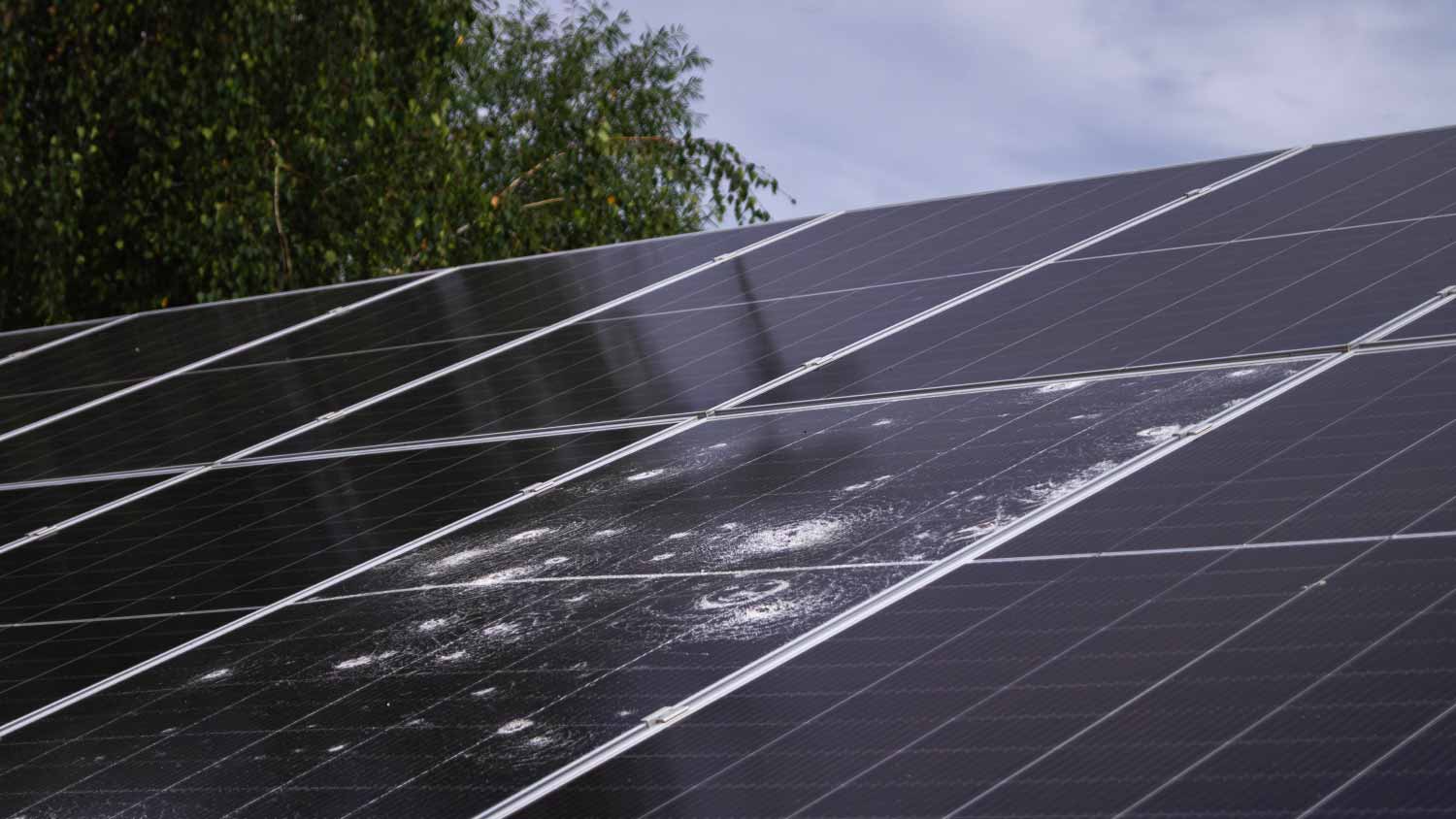
1. Microcracks from Heat or Hail
Texas weather can cause small cracks inside the panel that reduce performance over time.
2. Dirt or Debris Buildup
Heavy dust, pollen, or debris can block sunlight and make a panel appear like it’s not working.
3. Wiring or Connection Issues
Loose connectors or damaged wiring can prevent the panel from sending power.
4. Failing Optimizer
If your system uses optimizers, one failing unit can stop a panel from producing.
5. Shading
Even partial shade from trees, vents, or debris can cause one panel to underperform.
Signs One Solar Panel Is Not Working
Homeowners usually notice this issue through their monitoring system or energy bills.
Common signs include:
- one panel showing zero or low output
- uneven performance between panels
- sudden drop in system production
- higher electricity bills without increased usage
- irregular or jagged production graphs
If your monitoring app allows panel-level tracking, this issue is easier to spot.
Why This Problem Shouldn’t Be Ignored
A single panel not working might not seem urgent, but ignoring it can lead to:
- continued production loss
- added stress on other panels
- reduced system efficiency
- faster wear on components
- higher long-term energy costs
Fixing the issue early helps keep your system balanced and efficient.
How the Problem Is Diagnosed
When one solar panel stops working, a proper inspection usually includes:
- checking panel-level performance
- testing voltage and current
- inspecting wiring and connectors
- evaluating optimizers or microinverters
- reviewing monitoring data
This process identifies whether the issue is the panel itself or another component.
Can a Single Panel Be Repaired or Replaced?
Yes — in most cases, one panel can be repaired or replaced without changing the entire system.
Solutions may include:
- reconnecting or repairing wiring
- replacing a faulty optimizer
- cleaning the panel
- swapping out a damaged panel
The goal is to restore full system performance without unnecessary upgrades.
When This Happens After Storms or Roof Work
In Texas, this issue often appears after:
- hailstorms
- strong winds
- roof replacements
Panels may shift slightly, wiring may loosen, or components may be affected during the process. That’s why post-storm or post-roof inspections are important.