



If your electric bill seems to creep up every year, you are probably asking why are Texas electricity rates rising. The short answer is that Texas is growing fast, demand is climbing, and large new power users like data centers are adding pressure to the grid. Here is what is really happening, what is still uncertain, and how you can protect your budget.
The Short Answer
Several forces push electricity costs up over time:
- Population and business growth across Texas
- Higher delivery charges from local utilities
- Natural gas prices and summer heat
- Large new users, including data centers
Rates do not rise in a straight line. Wholesale prices move with the seasons, and average residential rates can even dip from one quarter to the next. The long-term direction is what matters when you plan your household budget.
What Drives a Texas Electric Rate Increase
Growth in Homes and Businesses
Texas keeps adding people, homes, and companies. More customers mean more demand, and the grid needs new power plants, wires, and substations to keep up.
Delivery Charges on Every Bill
Utilities such as Oncor and CenterPoint have received approval for delivery rate increases to pay for poles, wires, and equipment. These charges appear on your bill no matter which retail plan you pick, so shopping for a plan does not remove them.
Natural Gas and Summer Demand
Gas plants often set the wholesale price during the hottest hours of the day. When gas prices rise or a heat wave pushes demand up, those costs flow into the prices retailers pay and eventually into customer plans.
Data Center Electricity Demand in Texas
Why Data Centers Use So Much Power
A data center runs servers and cooling systems around the clock. A single large site can use as much electricity as a small city, and Texas has become a popular place to build them because of available land and a business-friendly climate.
What the Grid Operator Is Seeing
ERCOT, the group that manages the grid for most of Texas, has received a very large number of requests from big facilities that want to connect. Data centers make up most of those requests. ERCOT has also published long-range demand forecasts that show steep growth, though it has cautioned that the early numbers are preliminary and may be revised.
AI Data Centers and the Texas Power Grid
AI workloads need far more computing power than traditional online services. That raises questions about how the Texas power grid will supply enough electricity without straining reliability.
Texas lawmakers responded in 2025 with new rules for very large power users, including expectations that they reduce usage during grid emergencies. The goal is to protect everyday customers while still allowing growth.
How Much Will This Affect Your Bill?
Honestly, that is still debated. New generation and transmission can add costs over time, and some of those costs may reach household bills. But forecasts are not guarantees, and not every proposed data center will be built. Treat it as a pressure to plan for, not a fixed number.
What This Means for Your Monthly Bill
- Delivery charges tend to move in one direction, which is up.
- Summer bills can spike when heat drives cooling use.
- Plans that expire can reset to a much higher rate if you do not renew.
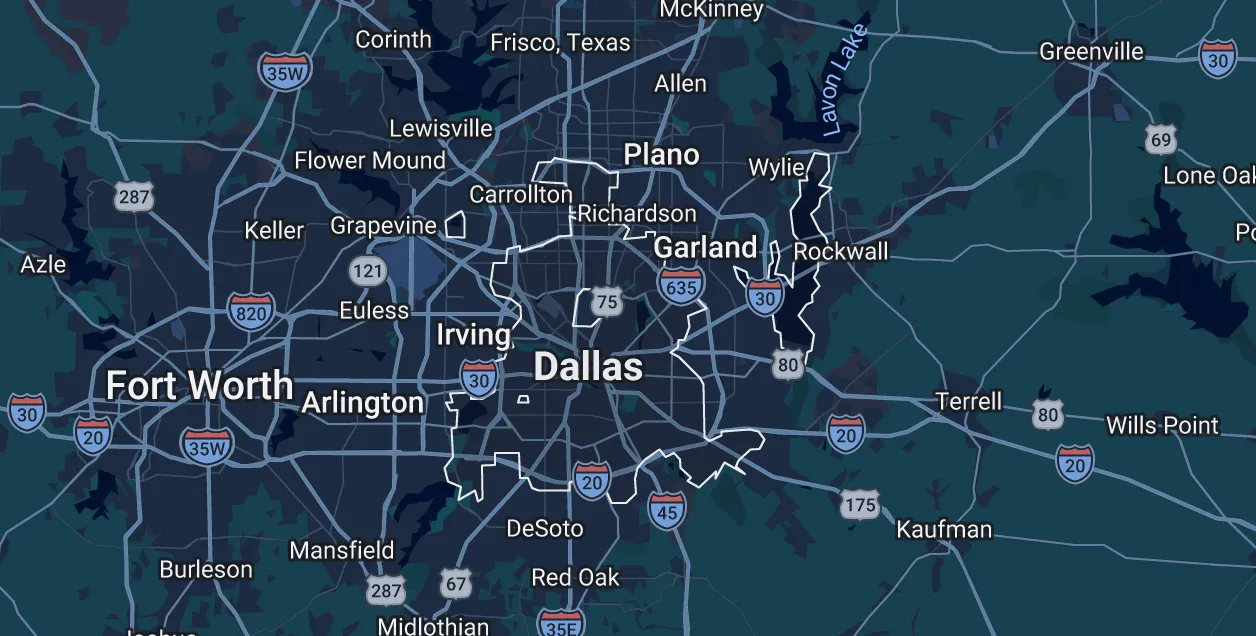
- Costs differ by area, since Dallas, Houston, and Austin have different utilities.
Ways to Protect Your Budget
Compare Plans and Check Contract Dates
Review your retail plan before it ends. A fixed rate can give you a steadier bill, while an expired plan may quietly roll into a variable rate.
Reduce Your Usage
Simple steps help, including sealing air leaks, upgrading old cooling equipment, and shifting heavy appliance use away from peak afternoon hours.
Consider Solar and Battery Storage
Solar lets you produce part of your own power, which lowers how much you buy from the grid and how exposed you are to future increases. A battery can add backup during outages and help reduce reliance on grid power during expensive hours.
The federal homeowner tax credit ended for systems completed after December 31, 2025, so it is important to look at real numbers for your own home instead of assuming old savings estimates still apply.
How Sunaura Solar Can Help
At Sunaura Solar, we look at your actual usage, roof, and goals before recommending anything, and we will tell you honestly whether solar fits. Our licensed team serves homeowners and businesses across Dallas Fort Worth, Austin, and Houston, and you can read what customers say on our Google Business Profile. Learn more about our solar and battery services to see what your options look like.
Frequently Asked Questions
Why are Texas electricity rates rising?
Growth in demand, higher delivery charges, natural gas prices, and large new users like data centers all add pressure over time.
Do data centers raise my electric bill?
They can add pressure by increasing the need for new generation and grid upgrades, but the exact effect on household bills is still being studied.
Are AI data centers a risk to the Texas power grid?
They raise planning challenges because of their size and constant demand. New state rules and grid planning are meant to manage that risk.
Can solar protect me from a Texas electric rate increase?
Solar can reduce how much electricity you buy, which lowers your exposure to rising rates. Savings depend on your usage, roof, and financing.
Ready to See What Solar Could Save You?
Get clear numbers for your home with no pressure. Request a free solar quote from Sunaura Solar and we will walk you through your options.


Contact Us


Find Us On

