
1. Hidden Panel Damage from Hail
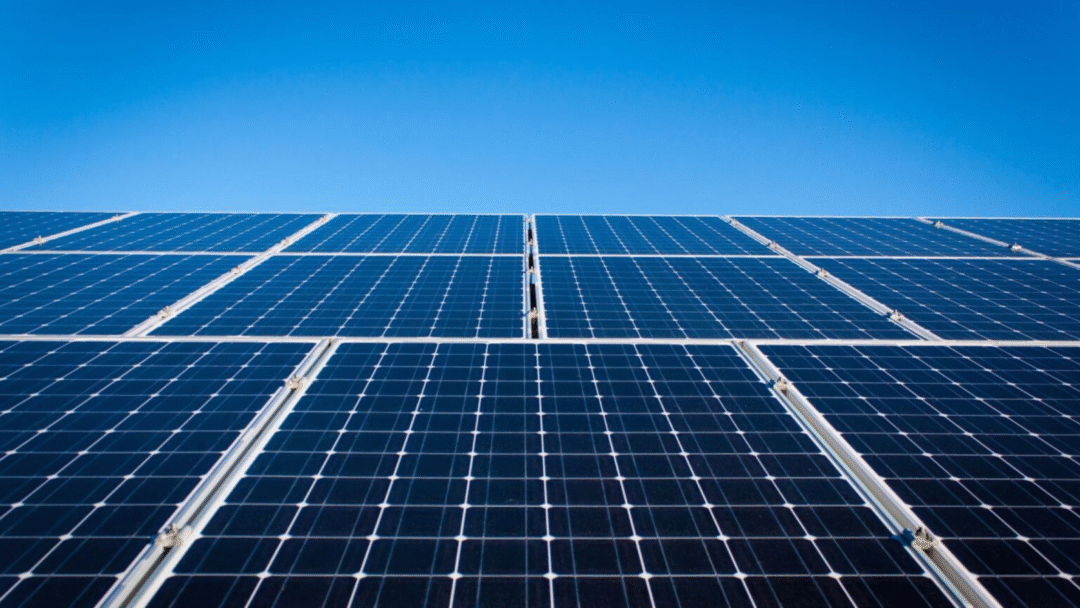
Hail is one of the biggest risks to solar panels in Texas. Even if the glass isn’t shattered, hail can create small internal cracks.
These microcracks can cause:
- reduced power output
- uneven panel performance
- overheating in certain areas
- gradual efficiency loss over time
Because the damage isn’t always visible, production may drop without any clear sign from the ground.
2. Loose or Damaged Wiring
Storm winds can shift panels slightly or move wiring underneath the array. This may lead to:
- loose connectors
- damaged insulation
- partial disconnections
- voltage drops
When wiring is affected, your solar panels may not work properly — even if everything looks normal from above.
3. Inverter Shutdown After Power Surges
Storms often cause power outages or voltage fluctuations. When this happens, the inverter may shut down for safety.
You might notice:
- no production at all
- inverter error messages
- system showing offline
Sometimes the inverter restarts on its own, but other times it needs to be checked or reset.
4. Debris Blocking Sunlight or Airflow
After storms, panels are often covered with:
- leaves
- branches
- dirt and mud
- roof granules
This buildup can block sunlight and reduce efficiency. It can also trap heat, making the system less effective during peak hours.
5. Disconnected or Failing Optimizers
Panel-level components like optimizers can be affected by storms, especially if wiring was stressed.
Signs of optimizer issues include:
- one panel not producing
- uneven output across the system
- inconsistent monitoring data
A single failing component can affect multiple panels.
6. Monitoring System Errors
Sometimes the issue isn’t production — it’s reporting.
After a storm:
- Wi-Fi may reset
- communication modules may disconnect
- monitoring apps may stop updating
This can make it seem like your solar panels are not working when they actually are. However, it’s important to confirm with a proper system check.
7. Roof or Mounting Issues
Storms can affect more than just the panels. Mounting hardware and flashing may shift or loosen.
This can lead to:
- panel misalignment
- reduced airflow
- long-term roof concerns
- performance changes
These issues should be inspected before they turn into bigger problems.
What to Do If Your Solar Panels Stop Working After a Storm
If you notice your solar panels are not working after a storm, start with these steps:
- check your monitoring app for errors
- look at your inverter display
- note any changes in production
- check for visible debris on panels
- remember when the issue started
If the problem continues, a professional inspection is the safest way to identify hidden damage.
Why Quick Action Matters
Delaying repairs after a storm can lead to:
- continued production loss
- higher energy bills
- further damage to components
- reduced system lifespan
Storm-related issues are often easier to fix when caught early.